Quality OS v0.4.1 | Self-hosted Quality Management for regulated manufacturing.

Over the last several months I’ve been developing a personal project called Quality OS where I have been building the Quality Management System I have always wanted.

It started as a way to explore better document control and change management for regulated manufacturing environments. Since then it has grown into a self-hosted Quality Management platform designed around practical quality system workflows rather than generic document storage.

Current capabilities include: Continue reading
Question Regarding PIC/S PE009-14

The current GMPs in Australia adhere to the PIC/S Guide to Good Manufacturing Practice, (PE009-13). This guide was adopted by the TGA in 2018 and the TGA has “just given” notice that it intends to adopt the current version of the PIC/S Guide (PE009-14) by July 1st 2020.

The Question posed on LinkedIn:

I have read PIC/S guidelines, when I was working in Pharmaceutical company. Currently, I am not working in Pharmaceutical company. I would like to keep my knowledge updated about what’s new in regulatory guidelines in Pharmaceutical. Would you please let me know, where can I get copy of new PIC/S??

Continue reading

post

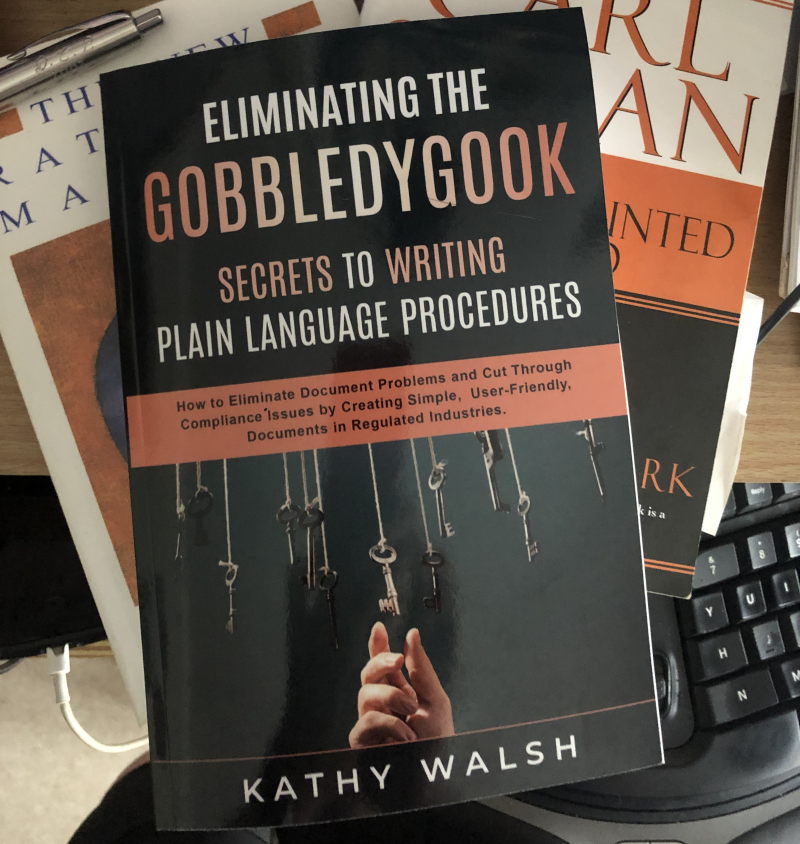
Book Review of “Eliminating the Gobbledygook” by Kathy Walsh

Clear documentation is one of the most underrated technical skills within regulated manufacturing environments. Over the years I’ve written, reviewed, updated, and maintained large volumes of SOPs, work instructions, investigation reports, validation protocols, and controlled quality documents across pharmaceutical and food manufacturing operations.

As part of maintaining and refreshing those skills, I revisited Eliminating the Gobbledygook – Secrets to Writing Plain Language Procedures by Kathy Walsh, a book focused on practical plain-language documentation within Quality Management Systems. Continue reading

post

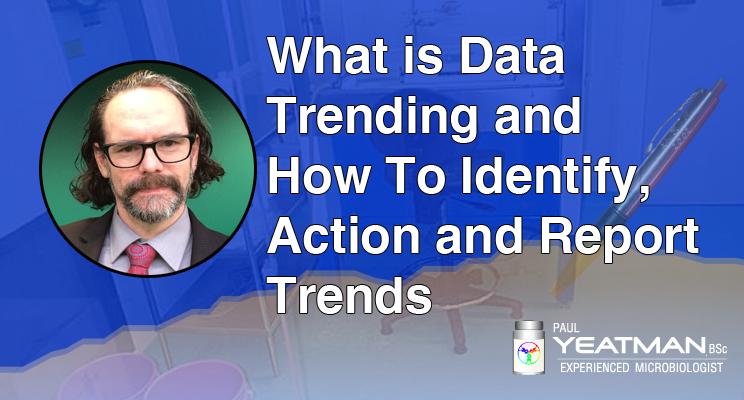
What is Data Trending and How To Identify, Action and Report Trends

The following is an article I placed on LinkedIn and was written as part of my Developing My Writing While Helping Others series.

Paul Yeatman is a microbiologist with over 15 years’ experience in documentation, validation and running investigations in TGA and FDA regulated environments. He has a strong interest in process improvement, documentation, training and developing others. From 9-5 Paul investigates and solves software problems.  By night he works on his science chops.  He has an arty streak, runs several blogs and enjoys communicating his experiences and knowledge in arenas such as this. Continue reading

Question regarding Bacillus subtilis recovery when testing for absence of Salmonella sp.

The Question posed on LinkedIn:

Dear experts, During microbial contamination testing for specific organisms – salmonella growing was observed. identification shows that is not Salmonella, but Bacillus subtilis. How i shoud interprated the results, pass specification or not?

Continue reading

post

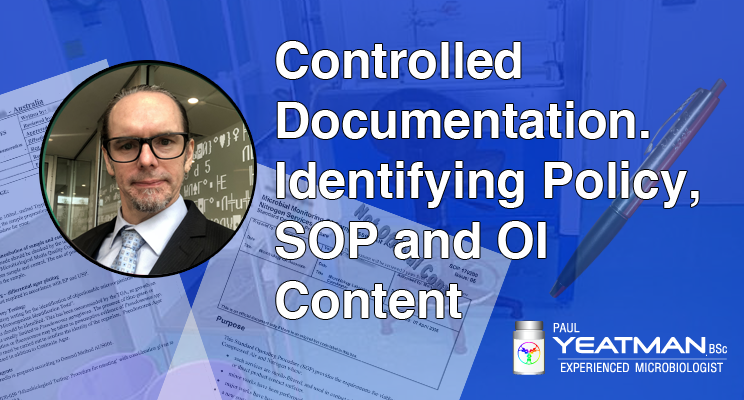
Controlled Documentation. Identifying what goes into a Policy, a SOP and an OI

The following is an article I placed on LinkedIn and was written as part of my Developing My Writing While Helping Others series.

I am a microbiologist with over 15 years’ experience in the pharmaceutical realm.  I have a strong interest in regulatory compliance, documentation and developing others.  Recently I have been working closely with data security.  I have an arty streak, have developed and delivered training and have an affinity for computers.  I ride bicycles…a lot.

Controlled Documentation.  Identifying what goes into a Policy, a SOP and an OI Continue reading

Question Regarding Time Stamps

The Question posed on LinkedIn:

Hello Dear LinkedIn friends. I have few questions related to computerized system.

1. In a country where there is a change in time due to day light saving. How does audit trails and reports are managed in software? ( Here software is operated in multiple time zones) Example: if someone logs in at 9:55 AM and start activity which lasts for 15 mins (means completion at 10:10). What if, in between there is day light saving happened at 10 AM and time goes 1 hr back. It will show that personnel logged in at 9:55 and activity was completed at 9:10. How shall we handle impact of day light savings in such case for reports and audit trails?

2. Do we require Audit trails for each activity. ? E.g. If software is prepared to manage documents. And we have some activities like News and Events on dash board for employees which is not critical step or basic requirement of application.

So do we require audit trail for such activities which are not critical for intended use of software. And if yes, do we require reason for each step?

Continue reading